Written by Molly Schwab, host of the Firstieland Podcast and YouTube channel
October 21, 2026
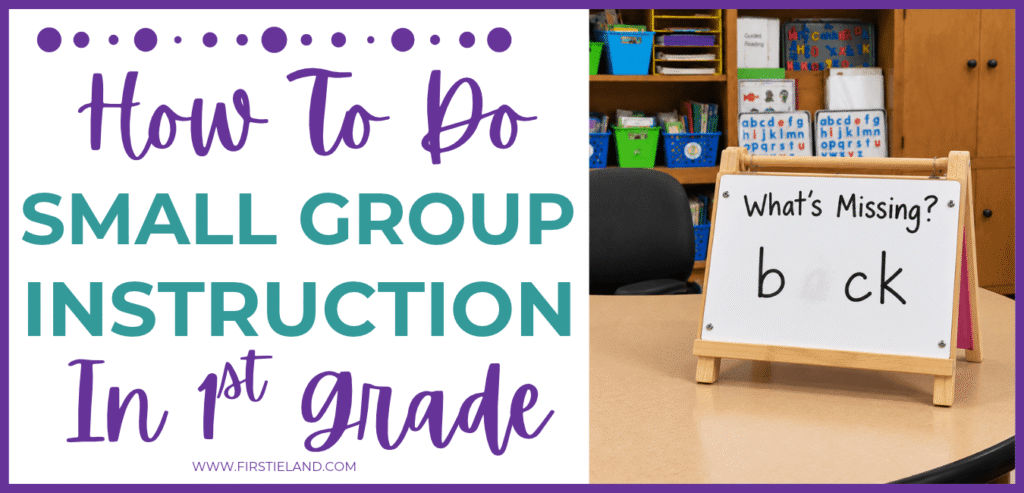
When you’re doing small group instruction in first grade there are 3 main areas to consider: how to schedule your groups, the skills you should teach and how to structure your lessons to make the most of your time. After more than 30 years in the classroom, I found a strategy that helped me do all of these things and a small group routine that included word practice, decodable reading, and writing across four days.
What Should You Teach During Small Group Instruction?
The first step is choosing the specific skills your students need to work on. You can’t teach every reading skill in 15 minutes, so you have to be intentional. The benefit of small group instruction is that it gives you time to listen, guide students, and provide immediate feedback. It’s easy to miss something during whole-class instruction but in small group you can really focus on each student and their needs.
In our large group lessons we practiced phonemic awareness with Heggerty and phonics, so I usually didn’t spend a lot of time on that in small group instruction. Instead we spent our time in small group focusing on sight words, reading and writing. During your small group, you should choose according to students’ needs and your reading program.
How To Scheduled Your Small Reading Groups
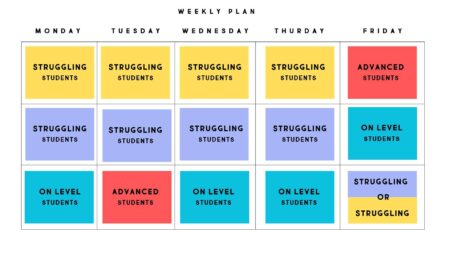
When planning your small groups, you’ll want to divide them by the skills they’re working on in reading. I usually divided my class into four flexible reading groups of struggling, on level and advanced readers. Kids could move between groups depending on the skills they needed. I met with three groups a day during our one-hour block which gave me 20 minutes on paper, but with transitions and interruptions, it was usually closer to 15.
I met with my struggling and on-level readers four times a week and my advanced readers twice a week. Different groups worked on different skills, depending on students’ needs.
As you’re planning your small groups think about students’ strengths and specific skills rather than only a reading level or grade level label. You’ll find that students can change throughout the school year as their reading skills develop.
What To Do Each Day in Small Group Instruction
Day 1: Word Practice and Reading
We would begin each week with sight word practice. We usually had about 6-8 new sight words each week and I started our group by reviewing our new words of the week. These were words we wanted students to recognize automatically, including high-frequency words.
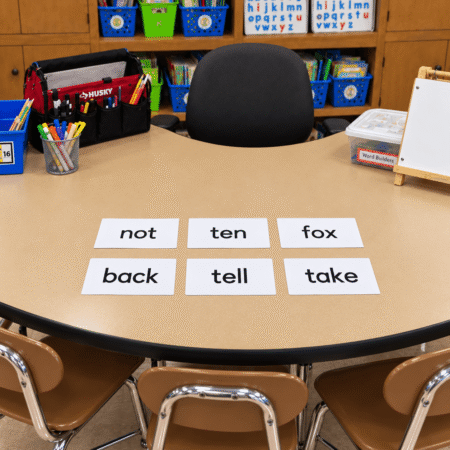
We played a quick game called Flash It and I went around the group, flashing each child a different word to read. We continued until everyone had tried every word and as we the kids read the words, I too note of which words were hardest and used that information to plan our small group lessons. This simple process helped me choose a targeted approach instead of practicing everything equally.
Explain One Word
Next, I chose one word for explicit instruction. I would write that word on my tabletop easel and break it down for the students. We would learn any new phonics patterns such as blend, digraphs or vowel pairs.
Even when a spelling pattern was new, I explained it rather than asking children to memorize the word. I found that when I would introduce new phonics patterns in small group, students would grasp it easier and then later when that same pattern was reviewed in whole group, the students caught on quicker.
Word Games
Next we’d play 3 quick games to review our new sight word:
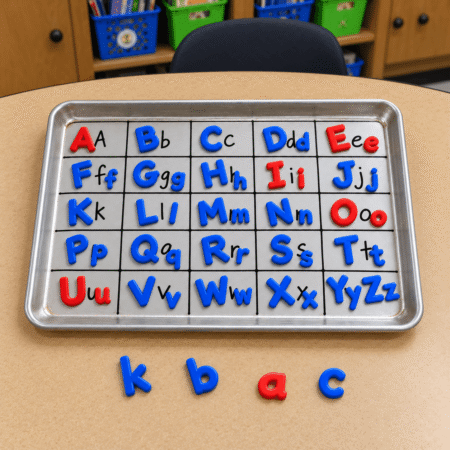
Mix It Fix It: Each child used magnetic letters to build the word. We spelled it together andthen the students mixed their letters and rebuilt it from memory. We did that twice.
What’s Missing? I wrote the word on my tabletop easel. Students read it, covered their eyes, and looked again after I erased one letter. I would choose one child to identify the missing letter. Then, I replaced it and erased a different letter until everyone had a turn.
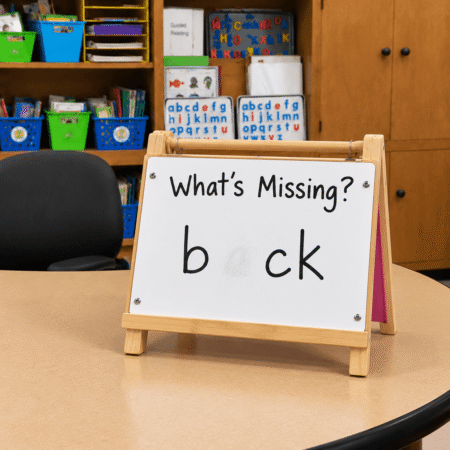
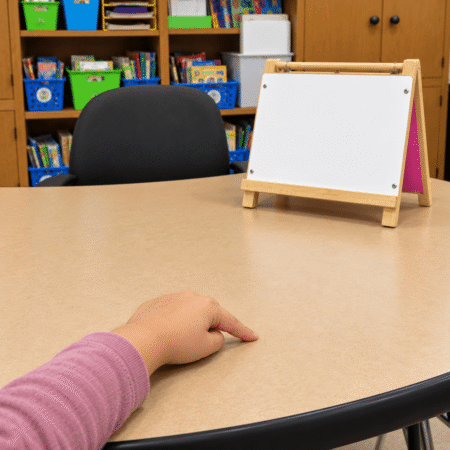
Table Writing: We spelled the word aloud while writing it on the table with a finger. This connected the letters we were saying with the movements used to write them.
Introduce the Decodable
Next, I would pass out their decodable reader at the skill level their group was working on. Each group would have a different book and we’d look at the cover, read the title, talk about what the book might be about, and take a little picture walk. If there was new vocabulary that might be tricky, I would explain it ahead of time.
Whisper Read
We’d finish day one with everyone whisper reading aloud at the same time while I listened to individual children. I would move along the group, focusing on one child at a time and helping when needed. I might spend a minute with each child.
One of the benefits of small-group instruction was hearing how each child applied their decoding skills. I could give immediate feedback while everyone kept reading
Day 2: Practice Another Word and Reread
The next day, we practiced another word using the same games and reread the previous day’s book. Rereading gave students another opportunity to apply decoding and read more smoothly.
If we had time, we played quick phonics games targeting a skill the group needed. I kept activities ready behind my table, so we didn’t lose much time getting started.
Day 3: Word Work and Another Decodable
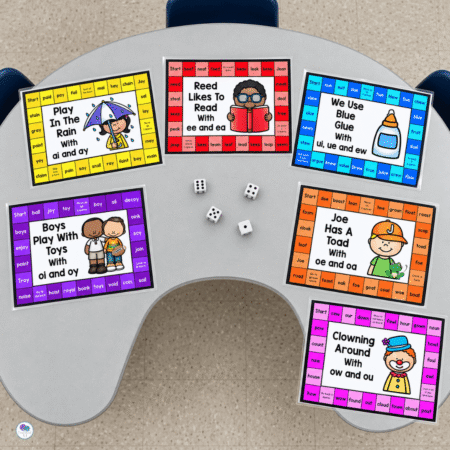
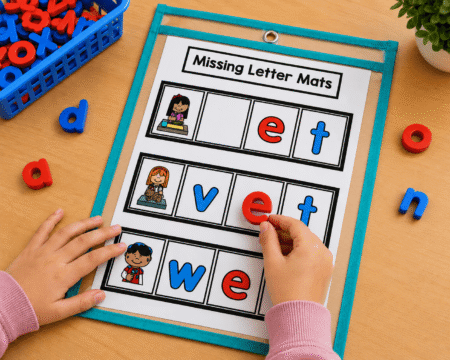
On Day 3, we reviewed our weekly sight words and introduced a new decodable. Depending on the group, we also used word building mats, phonics games or Elkonin boxes.
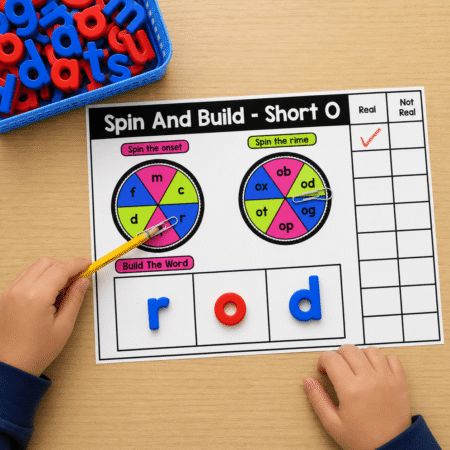
With magnetic letters, students could build a word, change one sound, and read the new word. Sound boxes helped us connect individual sounds with their spellings.
Day 4: Rereading and Sentence Writing
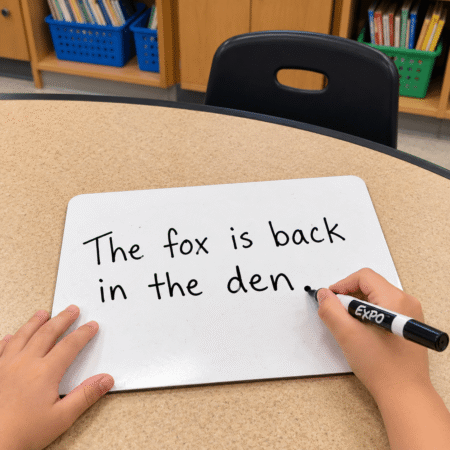
On Day 4, we reread our second book and worked on writing. I’d usually give them a dictated sentence with a couple of our sight words. We’d work on capitalization, spaces between words, and punctuation too.
Anecdotal Notes
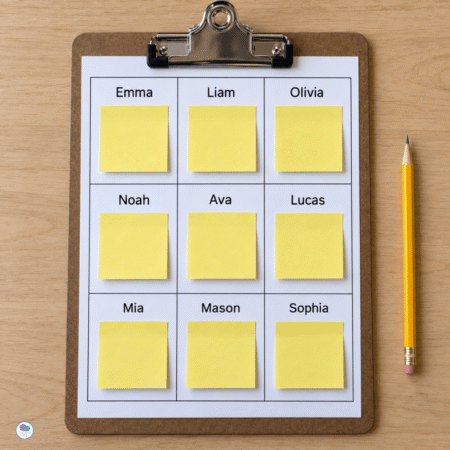
I kept a clipboard with a labeled Post-it for each child and during our small group sessions, I jotted down struggles or improvements that I saw for each child. It was a quick and simple way to keep track of each students progress. When a Post-it was full, I moved it into that child’s section of my student notes notebook and added a fresh one.
Troubleshooting Your Small Group Routine
What if we keep running out of time? Shorten the word review or save the extra game. Protect time for students to read and receive feedback.
What if one child finishes first? Have them reread a section quietly while you listen to someone else.
What if the book is too difficult? Check which words are causing trouble. Provide extra teaching and choose text that gives kids successful practice.
What is everyone else doing? During small groups the rest of my students were at literacy centers. Head over here to see how to get started with literacy centers in your classroom.
Your Weekly Planning Checklist
Before meeting with small groups of students, check these five things:
- Identify the group’s learning need.
- Select the words and spelling patterns to practice.
- Prepare short decodable tests that match taught skills.
- Plan a brief writing opportunity.
- Plan a way to record observations.
How This Fits With the Science of Reading
The science of reading helps us understand how kids learn to read, but it doesn’t give us one exact small group schedule to follow. The National Reading Panel found support for teaching phonemic awareness, phonics, fluency, vocabulary, and comprehension.
The Institute of Education Sciences also recommends helping kids connect sounds to letters, decode and write words, and read connected text every day. Those are things to keep in mind as you plan your small groups. The games and timing I’ve shared are simply how I put my classroom routine together.
Remember, you don’t have to fit everything into small group time. Think about what you’re already teaching in whole group, choose what your kids need extra help with, and use what you notice today to plan your next lesson.
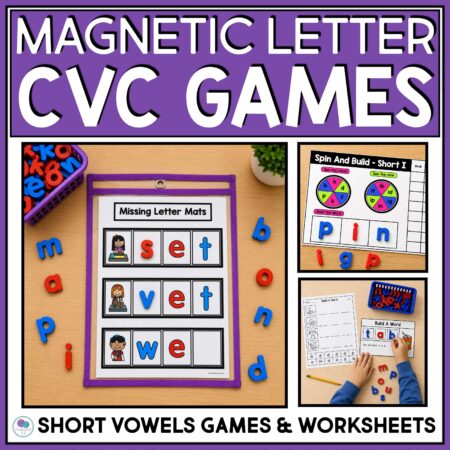
Ready to get started? These magnetic letter word build activities and phonics games are perfect to use during your small group instruction. Head over hear to take a closer look.
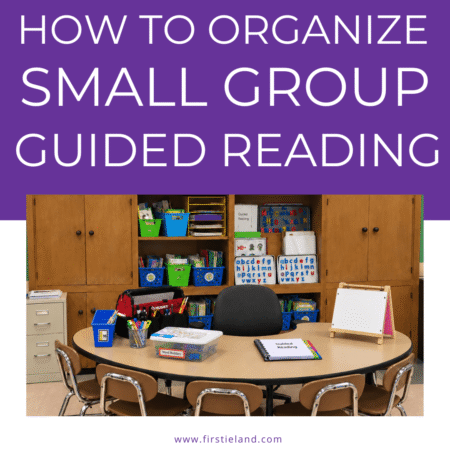
Looking for more? Head over here to see how to organize your small group area and the materials you will need.

Hi, I’m Molly, the creative mind behind Firstieland. With over 35 years of experience in early childhood education, I’m your primary support for resources that will save you time and make learning feel like play. Learn more about my mission for Firstieland here.