Written by Molly Schwab, host of the Firstieland Podcast and YouTube channel
November 18, 2026

The best teacher advice for first year teachers is to focus on clear classroom routines, building relationships with your students, and helping them learn – not trying to do everything perfectly. You don’t have to grade every paper, create a Pinterest-perfect classroom, or spend every weekend on schoolwork to be a good teacher.
After 35 years of teaching, I can tell you that’s something I wish I had learned sooner. When I was a new teacher, I thought doing more meant I was doing a better job. More grading, more decorating, more committees. But a lot of those things were making teaching harder than it needed to be.
Some of the most valuable lessons I learned were about what I could stop doing. Here are 10 things I stopped doing in my first grade classroom and what I did instead to make teaching way less stressful and more rewarding.
1. Grading Every Paper
When I was a new teacher, I thought I had to grade every single paper the kids did. And if I didn’t take an actual grade, I thought I at least had to put a star or sticker on the page. But over time, I realized that some work is just simply practice and everything doesn’t need a grade.
If it’s something we worked through together as a whole group or a page they did at a center, that doesn’t automatically need to be graded. I could look at student work, listen to their answers, and notice who needed more help. That kind of formative assessment helped me plan without adding another stack of papers to my bag.
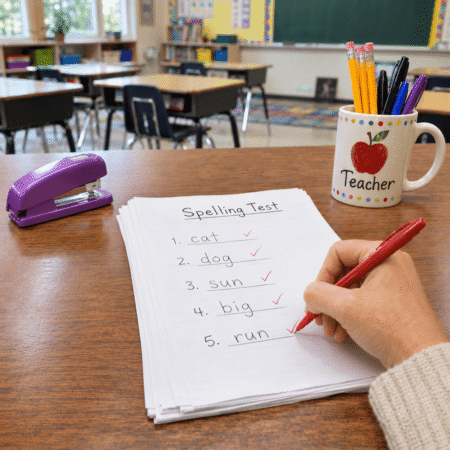
For me, my goal was to take one or two grades in each subject per week. At the end of the nine weeks, that gave me plenty of grades. Everything else went home ungraded. Follow your school’s requirements, but don’t give yourself extra grading just because you think every page needs a mark.
2. Changing Centers Every Week
The second thing I stopped doing was changing out my centers every week. That took so much time, and it was completely unnecessary.
I started changing the center materials once a month. Familiar activities gave kids time to understand what to do, practice their skills, and work more independently. I didn’t need brand new ideas every Monday to make learning fun.
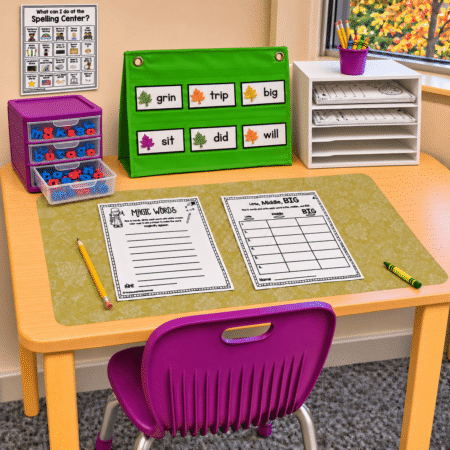
I also gave kids the job of managing the centers every day. Our center managers were the ones who made sure the materials were all there and that everything was neat and cleaned up. We practiced those jobs and set clear expectations so they knew exactly what to do.
Just those changes alone took so much stress out of running centers. My monthly literacy centers and center management system follow that approach.
3. Trying to Have a Pinterest-Perfect Classroom
I stopped trying to make my classroom Pinterest perfect. There seems to be a competition, stemming from Pinterest and Instagram, where teachers think they need super cutesy, perfectly matched classrooms. And I bought into that for a while.
One year I decorated my room in a ladybug theme and I had everything red and black, with special signs labeling every space in my room. I mean, it was cute, but I spent my entire summer getting it ready that year.
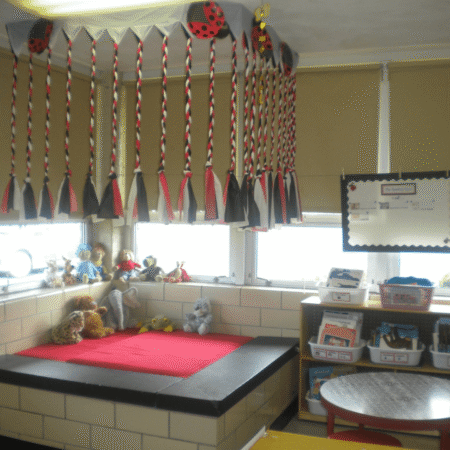
Eventually I went to a simple color theme that I kept year after year. My room still looked neat and coordinated, but I didn’t have to change it every year. That took away a ton of stress.
First impressions matter, but a welcoming learning environment doesn’t require replacing every bulletin board before the first day of school. Leave room for student work and classroom community. Social media can give you ideas without it becoming a shopping list for your new school year.
4. Buying Everything With My Own Money
At one time, I bought everything for my classroom. I taught in a district that didn’t really buy much for us. We had a very small budget for paper and supplies, and that was it. Anything else we wanted, we had to buy ourselves.
But I learned to stop doing that. I started doing DonorsChoose projects for big things I wanted, and I started asking parents for donations. If we were doing a special project, I simply sent a note home and asked parents to donate the supplies. I kept those requests to a minimum, and families were very happy to help when it was needed.

That doesn’t mean every family can contribute. Donations should be optional. But new teachers don’t need to assume every classroom expense belongs to them. Before buying teacher essentials, ask your admin and other teachers about available supplies, shared materials, and school support. Sometimes you already have enough to teach the lesson.
5. Raising My Voice at the Kids
The fifth thing I learned to stop doing was raising my voice at the kids. When I first started teaching, I had a student who tried my patience every day. I still remember his name after 30 years. He refused to clean up when asked and wouldn’t stop working at a center when time was up or come in from recess when called.
One day I yelled at this child at the top of my lungs, while a parent volunteer was in my classroom. I remember the look on her face. She was totally horrified, and I was so embarrassed. I knew I had to figure out better classroom management strategies, especially when dealing with challenging behaviors and so I learned better ways to redirect kids and motivate them.

Building relationships with students and teaching classroom rules took more than getting louder. Knowing your students helps you figure out where they need support. We all make mistakes, but that moment changed how I wanted to handle difficult days.
6. Best Teacher Advice About Complaints
The sixth thing I stopped doing was taking my everyday complaints to the principal. That included frustrations about kids who were misbehaving, parents, or other teachers.
I found that it usually didn’t change anything. When I sent kids who were misbehaving to the principal, they sometimes came back with a candy bar. It didn’t change their behavior in my classroom at all.

If another teacher was doing something that bothered me, I learned to talk to them directly, let it go, or vent with my teacher bestie. I stopped taking everyday frustrations to the principal, especially about fellow teachers.
I’m talking about ordinary frustrations here. Serious concerns still need the appropriate support and reporting. And don’t be afraid to ask for help. A mentor teacher or administrator can help you work through a problem. I just learned to think about what help I needed instead of repeating a complaint and hoping something would change.
7. Saying Yes to Every Extra Responsibility
When I first started teaching, I thought being asked to join a committee meant I was doing something right. But sometimes we’d spend hours choosing a curriculum, and then the superintendent would veto our decision and buy something completely different. Eventually I became more selective about what I volunteered for.
Instead, I spent that time working in my classroom or leaving on time instead of being in an after school meeting. And I was a much happier teacher.

Setting boundaries doesn’t mean you don’t care about your school. You can share ideas, support your team, and take part in professional development without accepting every extra job. But, before saying yes, think about what you already have on your plate. Is this something you want to do? Do you have time for it?
Experienced teachers can contribute a lot, but years of experience don’t give you unlimited hours. Being an effective teacher doesn’t require being on every committee.
8. Spending My Weekends on Schoolwork
I learned a long time ago to stop taking work home on the weekends. Many, many weekends were spent making centers, writing lesson plans, or grading papers. And that’s the stuff that will burn you out as a teacher.
You deserve a break. Not only do you deserve it, you need it. You have to make time for yourself and your family outside the classroom.
I preferred staying for a little while at the end of the school day to get organized because I was still in school mode. At home, I was in mom mode and by eight o’clock, I was exhausted. The last thing I wanted to do was school work.
I also found small pockets of time during the day. During snack time, I could get materials ready for tomorrow while supervising the kids. Cutting unnecessary grading and weekly center changes helped, too.
Taking care of yourself can start with one boundary. Maybe you stop bringing papers home on Saturday or choose one afternoon when you won’t stay late. Start somewhere you can manage.
9. Writing Brand New Lesson Plans Every Year
That leads me into number nine: I learned to stop trying to reinvent the wheel and write new plans every year.
Unless your curriculum changes, you can often use your previous plans as a starting point. There’s always some new book you want to read or a fun new unit you want to try. But keeping editable plans on your computer makes it easy to tweak what needs changing and move on.
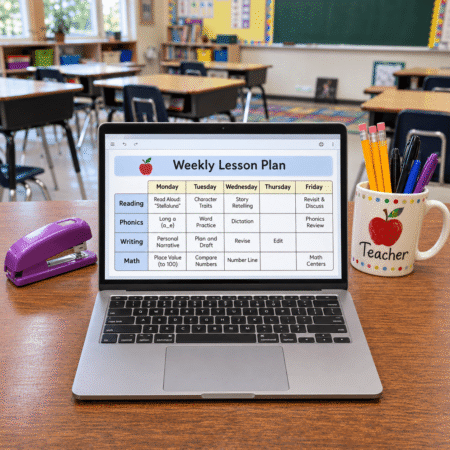
Of course, you still need to know your students. A different class might need more practice, different materials, or another approach. Reusing plans doesn’t mean ignoring the children in front of you.
Make notes while the lesson is fresh. What worked? What needed more time? What would you skip? Those notes make lesson planning easier the next school year. Veteran teachers don’t have to replace good teaching practices simply because they’ve used them before. Keep what works and improve the rest.
10. Following Lesson Plans That Weren’t Working
Finally, I learned to stop pushing through a lesson when my class was clearly lost. Curriculums are made to be used as a guide. We had some crazy curriculums over the years, and sometimes the lessons just didn’t work. They were developmentally inappropriate, boring, or assumed the kids already knew things they hadn’t learned yet.
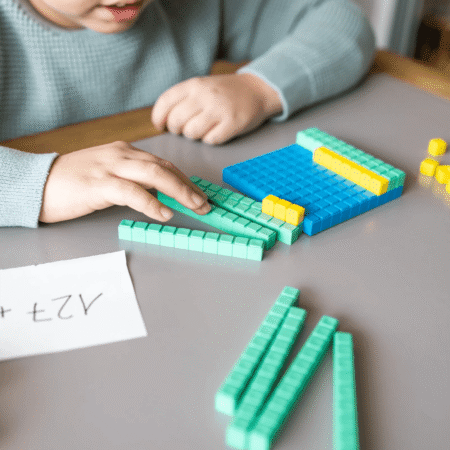
Pushing through just so I could check off a lesson wasn’t helping anybody. Sometimes I needed to stop, pull out hands-on materials, and teach it differently. Other times we needed to back up and practice something else first.
Staying flexible meant paying attention to students understanding and adjusting my teaching strategies. The goal was for my kids to understand. Sometimes the lesson we needed wasn’t in the teacher’s manual, and I had to make one up myself.
What Is My Best Advice for New Teachers?
You don’t need to do everything. You don’t have to change everything at once. Pick one thing that’s taking more time or energy than it needs, and start there.
Do Experienced Teachers Still Have Bad Days?
Absolutely. Teaching experience doesn’t mean every lesson works. You’ll have good days, make mistakes, and continue to learn and grow throughout your teaching career.
Looking back, I wish I had known some of these things sooner. What’s something you’ve stopped doing as a teacher—or something you’re ready to stop? Let me know in the comments.
Are you tired of spending your nights and weekends searching for the perfect first grade math and literacy centers? If you need a quick and simple routine that’ll make your life easier, this year-long bundle of easy prep monthly center activities is your answer! With over 90 math and literacy activities aligned with first grade skills, you’ll have just what you need at the perfect time of the year. Make them once and you’ll have them forever.
CLICK HERE TO VIEW THE CENTERS

If you want more ideas on good teaching strategies check out this post where you’ll learn 20 Ways To Become A Successful Teacher In First Grade.

Save These Ideas For Later!
Take a minute to save these ideas to your favorite reading strategies Pinterest board so you can remember them later!

Hi, I’m Molly, the creative mind behind Firstieland. With over 35 years of experience in early childhood education, I’m your primary support for resources that will save you time and make learning feel like play. Learn more about my mission for Firstieland here.