Effective classroom management strategies can make a big difference when you have students who shout out every answer or constantly interrupt while you’re teaching. One child’s blurting can quickly take over a lesson, distract the entire class, and make it difficult for other students to participate.
As a first grade teacher for many years, I dealt with my share of eager and impulsive students. The good news is that blurting is a behavior you can teach children to manage. These teacher-tested classroom management strategies will help you show students how to wait their turn, redirect interruptions without stopping your lesson, and give frequent blurters the extra support they need.
Why Do Students Blurt Out?
When children blurt out answers or can’t seem to wait their turn, it isn’t necessarily because they're trying to be disrespectful. Blurting is often an impulse-control problem. Some elementary students are excited and eager to share and others worry that they won’t get a chance to answer. Some individual students simply need more time and practice learning how to pause before responding.
Blurting is different from a generally noisy or talkative classroom. Instead of treating every interruption as deliberate student misbehavior, begin by looking at the students’ needs. Strong classroom management doesn’t mean correcting every sound or demanding perfect silence. It means teaching clear expectations and helping kids learn what to do instead.
Here are six classroom management tips or blurting that worked in my classroom.
1. Tell Students Exactly How to Answer
Before you begin, tell kids exactly when and how they should answer. Sometimes teachers allow children to call out an answer, while other times, we expect them to raise their hands. That can be confusing, especially for younger kids who are still learning classroom expectations.
Before you ask a question, give an explicit cue such as:
- Raise your hand if you know the answer to this question…
- Think the answer quietly in your head.
- Wait until I say “go,” and then everyone will answer together.
- Turn and tell your partner the answer.
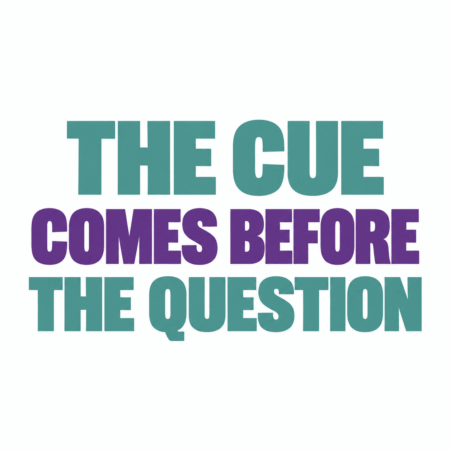
The cue should come before the question. If you ask first and explain the response method afterward, an eager student may have already shouted out the answer. Clear expectations are one of your most important classroom management strategies because children can’t follow a direction they don’t understand. Consistent routines like these also make lessons feel more predictable and kids will begin to stop blurting out answers.
One thing to remember is that children will need repeated practice. Introduce one response cue at a time, model it, and let kids rehearse it before using it during a lesson. If blurting returns, review the expectation instead of assuming the strategy failed. Like any classroom routine, waiting to speak becomes easier when kids know what to expect each day.
These classroom management strategies for blurting work for both whole-group lessons and small groups. You can also add simple hand signals so students can silently show that they know an answer or need help without interrupting. Over time, those consistent routines become automatic and help create a well-managed classroom.
2. Give Everyone a Way to Respond
Frequent blurters often have a strong need to get their answer out. They sometimes feel like the answer is just going to burst from their mouth. When you build active participation into your lesson plans, they don’t have to compete for one opportunity to speak.
Try one of these ideas:
- Have students whisper an answer into an imaginary bubble in their cupped hands. When you say “Pop!” everyone says the answer together.
- Ask students to write their answers on dry-erase boards and hold them up at the same time.
- Use turn-and-talks so every child can share with a partner.
- Let students respond with thumbs-up, hand signals, or another silent motion.
These classroom management strategies for blurting give eager students an appropriate way to participate without dominating the lesson. They also improve student engagement because you hear from more than the same few children who always raise their hands.
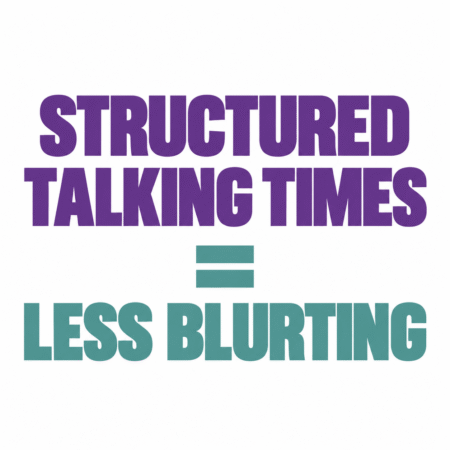
Structured talking times can help the entire class. When kids know that a chance to share is coming, they're more willing to listen and hold onto their thoughts. Giving everyone a way to respond also helps you monitor student learning. When students write on dry erase boards, for example, it lets you quickly see who understands the skill and who needs more support.
3. Teach What Blurting and Interrupting Look Like
Sometimes kids don’t realize they are interrupting. They need to be taught exactly what blurting looks like, why it is a problem, and what they can do instead. This is just as important as teaching classroom rules on the first day of school.
Picture books can make it easier for kids to understand. One of my favorites is My Mouth Is a Volcano by Julia Cook. It helps students understand what blurting feels like. In the story, the character’s words wiggle around in his mouth until they erupt like a volcano. The book teaches kids to pause, breathe, and hold onto their thoughts instead of blurting them out.
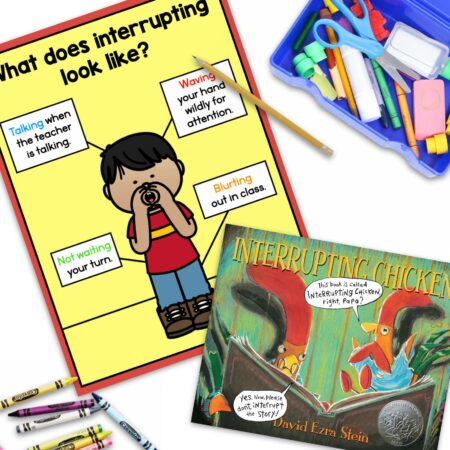
Another favorite is Interrupting Chicken by David Ezra Stein. Little Chicken repeatedly interrupts while his dad is reading bedtime stories. The story makes it easy for kids to recognize that interrupting is inappropriate behavior and discuss what the character could do differently.
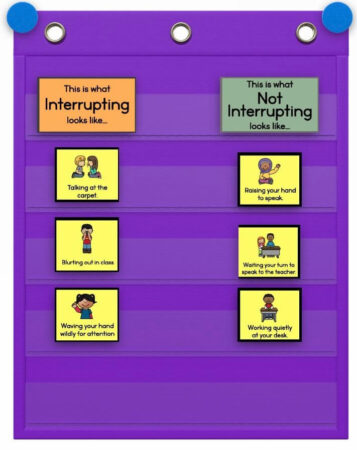
After reading the story, we did lessons about what interrupting and not interrupting looked like. I showed my class this anchor chart and we talked about blurting and how it affects the whole class.
We sorted pictures into two categories showing kids who were or were not blurting or interrupting. This helped them see the difference between waiting their turn and talking over someone.
When classroom behavior becomes a problem, don’t just correct it – teach it. Review your classroom rules, model the expected behavior, and give kids opportunities to practice. This will help kids better understand why they shouldn't blurt out answers or interrupt.
4. Use a Silent Visual Cue
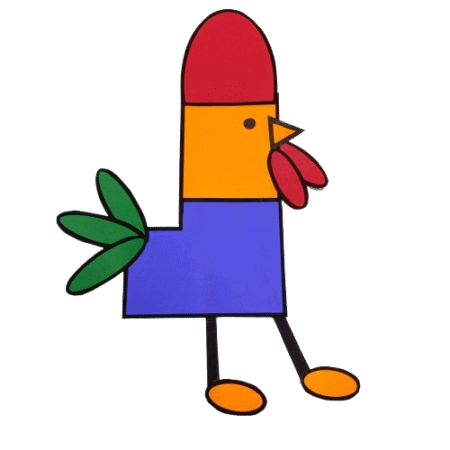
The next strategy is to give kids a visual reminder not to interrupt. A silent cue lets you redirect student behavior without scolding a child in front of everyone or stopping your lesson. I used a little Interrupting Chicken sign and hung it on the board beside me while I was teaching. I would remind the class, “We’re not going to be interrupting chickens while Mrs. Schwab is teaching.” Then the chicken became a visual reminder of our classroom rule about blurting out answers.
You could also make a small card that says “Wait” and attach it to a craft stick. When someone blurts out, quietly hold up the card and call on someone who has a hand raised. The student who blurted out knows the message is for them, but you can keep teaching and avoid scolding the child and interrupting the low of your lesson.
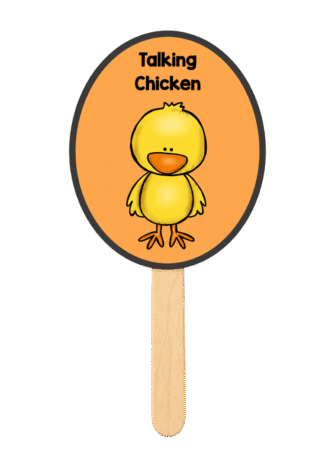
Another option is a talking object. We used a Talking Chicken sign during carpet activities when everyone would get a chance to share. We passed it around the group, and only the person holding the chicken could talk. This gave kids a concrete way to practice waiting and listening.
Silent cues can support positive behavior and they work best when you explain and practice them before behavior issues occur. A visual cue should feel like a helpful reminder, not a punishment.
5. Build Impulse Control Through Games
Quick games that require children to stop, listen, and wait can help them develop impulse control. Try games such as:
- Simon Says
- Red Light, Green Light
- Freeze Dance
- A 30-second quiet challenge
These games can be used as brain breaks or time fillers, but they serve another purpose too. When you play games like these, kids are practicing how to pause before responding. That is exactly the skill frequent blurters need.
Games are a great way for kids to practice staying in control. Keep them fun (and short) and notice good behavior. Use positive reinforcement when students stop, listen, and wait successfully.
Playing different games like these can go a long way toward reducing off-task behavior and other classroom management issues. It gives kids a safe place to develop self-control before they have to use it during academic instruction.
6. Make an Individual Plan for a Frequent Blurter
You can use every one of these ideas and still have one child who needs additional support with blurting or interrupting. In that situation, make a specific plan for that student.
One simple idea is to give the child five small beads in a cup. The goal is to keep as many beads as possible during a lesson or part of the day. Each time the student blurts, they must remove one bead and place it on your desk. When you notice the child waiting appropriately, they can earn a bead back. If they have some beads left at the end of the day, they can earn some kind of simple reward.
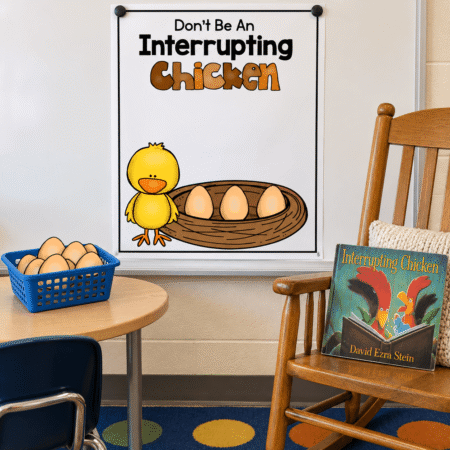
However, if you decide to do rewards it's helpful to give the entire class something to work toward. I had this chart that said, “Don’t Be an Interrupting Chicken.” When my whole class could sit through a read-aloud or carpet lesson without interruptions, they earned an egg for the chicken’s nest. After earning 10 or 15 eggs, my class earned a simple reward such as a five-minute brain break, dance party, or class game.
When you combine individual support with whole-class recognition, the frequent blurter gets focused help, while the rest of the class is also recognized for good behavior. It keeps the emphasis on progress and positive reinforcement instead of only noticing negative behaviors.
The goal is not to embarrass disruptive students or label a child as the problem. It's to support kids as they learn to stop interrupting. Kids are more willing to accept correction when they know their teacher wants them to succeed.
Creating a Positive Learning Environment
Successful classroom management begins with teaching kids what the expected behavior looks like and giving them tools to meet that expectation. It doesn't matter if you're a new teacher or an experienced teacher…classroom management practices take time and hard work to establish.But you don’t need an elaborate plan or complicated reward system. Begin with clear expectations, consistent routines, give kids opportunities to talk, and quiet visual reminders. Model the behavior, practice it, and recognize progress.
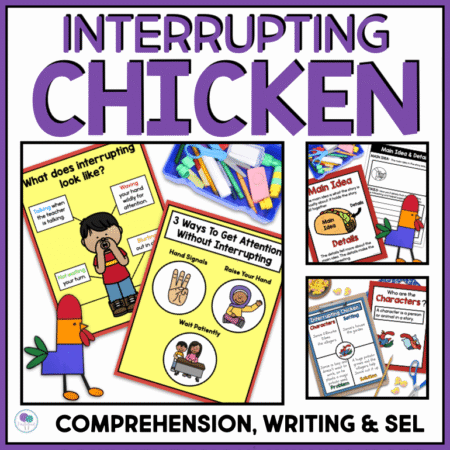
If your students struggle with interrupting, blurting and impulse control, this no-prep resource for the book Interrupting Chicken will save you time and help students with disruptive behavior learn to have self control in the classroom. It includes lesson plans, anchor charts, student rewards, visual reminders and more. Click here to take a closer look.
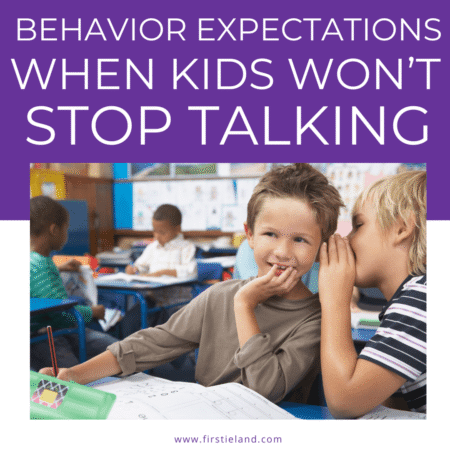
Looking for more? Do you struggle with a noisy class or kids who just won't stop talking? Head over to this post next:

Hi, I'm Molly, the creative mind behind Firstieland. With over 35 years of experience in early childhood education, I'm your primary support for resources that will save you time and make learning feel like play. Learn more about my mission for Firstieland here.